
The internet has become an integral part of our daily lives, allowing us to connect, communicate, and share information. However, it has also created an environment where verbal violence and online threats have become increasingly common, affecting both children and adults. As a parent, understanding these risks, recognizing warning signs, and knowing how to respond can help protect your child from online abuse. This guide provides insights into verbal violence and threats online, their impact, and strategies to prevent and address them.
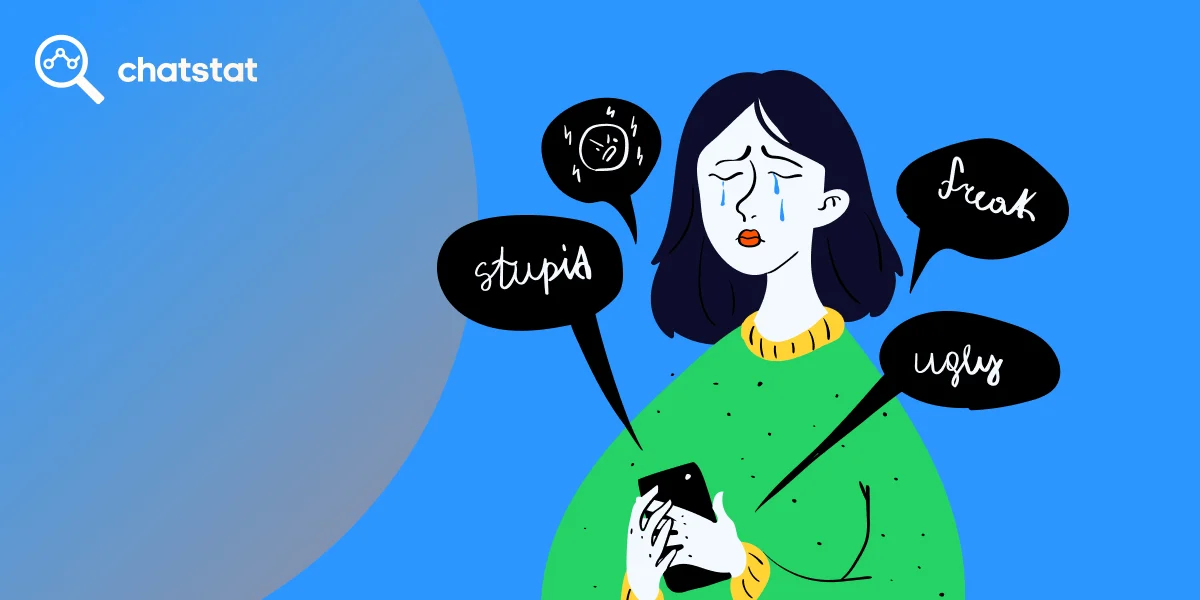
What is Verbal Violence and Online Threats?
Verbal violence online refers to the use of harmful, aggressive, or intimidating language aimed at an individual or group. This includes name-calling, insults, harassment, and hate speech. Online threats involve statements or messages that imply harm or danger, either physically, emotionally, or socially.
Common types of verbal violence and threats online include:
• Cyberbullying: Persistent harassment or humiliation through messages, comments, or posts.
• Hate Speech: Offensive or discriminatory language targeted at individuals based on race, gender, religion, or identity.
• Threats of Harm: Direct or indirect statements indicating potential physical harm.
• Doxxing: Publishing private information to intimidate or endanger someone.
• Flaming and Trolling: Provoking or attacking others to incite emotional responses.
Where Do Online Threats and Verbal Violence Occur?
Verbal violence and threats can happen on various digital platforms, including:
• Social Media: Facebook, Instagram, Twitter/X, TikTok, Snapchat
• Messaging Apps: WhatsApp, Discord, Telegram, iMessage
• Gaming Platforms: Xbox Live, PlayStation Network, Roblox, Fortnite
• Online Forums and Communities: Reddit, 4chan, anonymous chat sites
• Emails and Direct Messages: Threats sent privately through digital communication
Because online platforms allow anonymity, perpetrators often feel emboldened to engage in aggressive behavior.
Signs That Your Child is Experiencing Online Verbal Violence
Recognizing the signs early can help prevent emotional distress and long-term psychological effects.
Behavioral Signs:
• Avoiding social media or changing usernames frequently
• Withdrawing from family and friends
• Deleting online accounts or messages without explanation
• Fear of going online or checking their phone
Emotional Signs:
• Increased anxiety or mood swings
• Depression, sadness, or feelings of isolation
• Sudden drops in confidence and self-esteem
• Anger or frustration after being online
Online Activity Red Flags:
• Blocking or unfriending multiple people
• Receiving an unusual number of messages from unknown contacts
• Engaging in arguments or defensive behavior online
• Reporting that their accounts have been hacked or impersonated
How to Talk to Your Child About Online Verbal Violence and Threats
1. Create an Open and Judgment-Free Conversation
• Let your child know they can talk to you about any online issue without fear of punishment.
• Encourage them to share their experiences, even if they feel embarrassed or scared.
• Reassure them that they are not alone and that help is available.
2. Ask Thoughtful Questions
• "Has anyone ever said something online that made you feel uncomfortable?"
• "Have you ever felt threatened or unsafe because of something online?"
• "Do you know what to do if someone sends you harmful messages?"
3. Reassure and Educate
• Explain that online words can be as hurtful as face-to-face insults.
• Teach them to recognize and report inappropriate behavior.
• Help them understand that walking away from toxic interactions is not a sign of weakness but self-care.
Steps to Protect Your Child from Online Verbal Violence
1. Strengthen Digital Privacy Settings
• Encourage private accounts on social media and gaming platforms.
• Limit who can send direct messages or comment on their posts.
• Enable parental controls where possible.
2. Teach Digital Conflict Resolution
• Help them understand when to engage and when to ignore online negativity.
• Encourage them not to retaliate, as this can escalate the situation.
• Use the "block and report" functions on most platforms.
3. Monitor Online Interactions Responsibly
• Keep communication open about online behavior without invading privacy.
• Use digital well-being tools to track screen time and app usage.
• Educate your child about the risks of engaging with strangers online.
4. Report and Take Action Against Online Threats
• Most platforms provide tools to report abuse, threats, and hate speech.
• If the threats are severe, report them to law enforcement or cybercrime units.
• Preserve evidence by taking screenshots before blocking or deleting messages.
5. Provide Emotional Support
• Let them know their feelings are valid and that verbal violence is not their fault.
• Encourage them to seek support from school counselors or therapists if needed.
• Remind them that their self-worth is not defined by online interactions.
Resources for Parents and Kids
If your child is experiencing verbal violence or online threats, the following organizations can provide support:
• StopBullying.gov : www.stopbullying.gov
• National Online Safety: www.nationalonlinesafety.com
• CyberTipline (to report online threats): www.cybertipline.org
• Common Sense Media (digital safety guides): www.commonsensemedia.org
• Crisis Text Line (for emotional support): Text HOME to 741741
Final Thoughts: Fostering a Safe and Respectful Online Environment
The internet should be a place for learning, connection, and entertainment—not fear or harassment. By staying informed, maintaining open communication, and teaching online resilience, parents can help their children navigate digital spaces safely and confidently.
If your child encounters online verbal violence or threats, remind them that they are not alone and that they have the power to take control of their online experiences. Together, you can build a strong foundation for digital well-being and emotional security.
Ready to take the next step in keeping your teen safe online?
Try Chatstat today and join thousands of parents who are already using smart technology to protect their teens while preserving trust and independence. Your peace of mind is just a click away!
United States 🇺🇸
Need more help? You're not alone. Here are trusted local services that can provide extra support after using Chatstat.
National Domestic Violence Hotline Website: thehotline.org Phone: 1 800 799 7233 Hours: 24/7
Childhelp National Child Abuse Hotline Website: childhelphotline.org Phone: 1 800 422 4453 Hours: 24/7
Love Is Respect – National Teen Dating Abuse Helpline Website: loveisrespect.org Phone: 1 866 331 9474 | Text LOVEIS to 22522 Hours: 24/7
Canada 🇨🇦
Need more help? You're not alone. Here are trusted local services that can provide extra support after using Chatstat.
Kids Help Phone Website: kidshelpphone.ca Phone: 1 800 668 6868 (or text CONNECT to 686868) Hours: 24/7
Child Welfare League of Canada (CWLC) Website: cwlc.ca Phone: 1 613 594 3900
Canadian Centre for Child Protection – Child Abuse Hotline Website: protectchildren.ca Email: support@protectchildren.ca Phone: 1 800 532 9135 Hours: Mon–Fri 8:30am–4:30pm CST
New Zealand 🇳🇿
Need more help? You're not alone. Here are trusted local services that can provide extra support after using Chatstat.
Shine – Domestic Abuse Helpline Website: 2shine.org.nz Email: helpline@2shine.org.nz Phone: 0508 744 633 Hours: 24/7
Oranga Tamariki – Child Protection Line Phone: 0508 326 459 Hours: 24/7
Victim Support New Zealand Website: victimsupport.org.nz Email: info@victimsupport.org.nz Phone: 0800 842 846 Hours: 24/7
Australia 🇦🇺
Need more help? You're not alone. Here are trusted local services that can provide extra support after using Chatstat.
1800 RESPECT Website: 1800respect.org.au Phone: 1800 737 732 Hours: 24/7
Parentline Website: parentline.com.au Phone: 1300 30 1300 Hours: 8am–10pm daily
Bravehearts Website: bravehearts.org.au Email: support@bravehearts.org.au Phone: 1800 272 831 Hours: Mon–Fri 8:30am–4:30pm AEST
United Kingdom 🇬🇧
Need more help? You're not alone. Here are trusted local services that can provide extra support after using Chatstat.
NSPCC Helpline Website: nspcc.org.uk/helpline Email: help@nspcc.org.uk Phone: 0808 800 5000 Hours: Mon–Fri 10am–4pm
National Domestic Abuse Helpline Website: nationaldahelpline.org.uk Email: helpline@refuge.org.uk Phone: 0808 2000 247 Hours: 24/7
Victim Support Website: victimsupport.org.uk Email: supportline@victimsupport.org.uk Phone: 08 08 16 89 111 Hours: 24/7
Ireland 🇮🇪
Need more help? You're not alone. Here are trusted local services that can provide extra support after using Chatstat.
ISPCC Childline Website: childline.ie Phone: 1800 66 66 66 | Text 50101 Hours: 24/7
Garda Confidential Line Phone: 1800 666 111 Hours: 24/7
Women’s Aid National Helpline Website: womensaid.ie Email: helpline@womensaid.ie Phone: 1800 341 900 Hours: 24/7
Singapore 🇸🇬
Need more help? You're not alone. Here are trusted local services that can provide extra support after using Chatstat.
National Anti Violence Helpline (NAVH) Phone: 1800 777 0000 Hours: 24/7
PAVE – Family Violence Specialist Centre Website: pave.org.sg Phone: (65) 6555 0390
AWARE Women’s Helpline Phone: 1800 777 5555 Hours: Mon–Fri 10am–6pm
🌍 Support services are shown based on your location. You can choose another country below if needed: